
Avoid Altitude Sickness: Practical Guide For Trail Races
Many high altitude trail races climb from 2,500m to above 4,000m. Here's how to acclimatise, what symptoms to watch for, and what to do if AMS hits on race day.
China is home to some of the highest altitude trail races in the world. From the plateau edges of Sichuan and Yunnan to the ranges of Qinghai and Tibet, many courses begin at 2,000–2,500m above sea level and crest above 4,000m — landscapes of staggering beauty, but where thin air, low atmospheric pressure, and wild temperature swings make every runner's physiology a factor.
Understanding altitude sickness, preparing scientifically, and knowing your own limits are what allow you to finish safely — and actually enjoy it.
What Is AMS — And Why Everyone Gets It
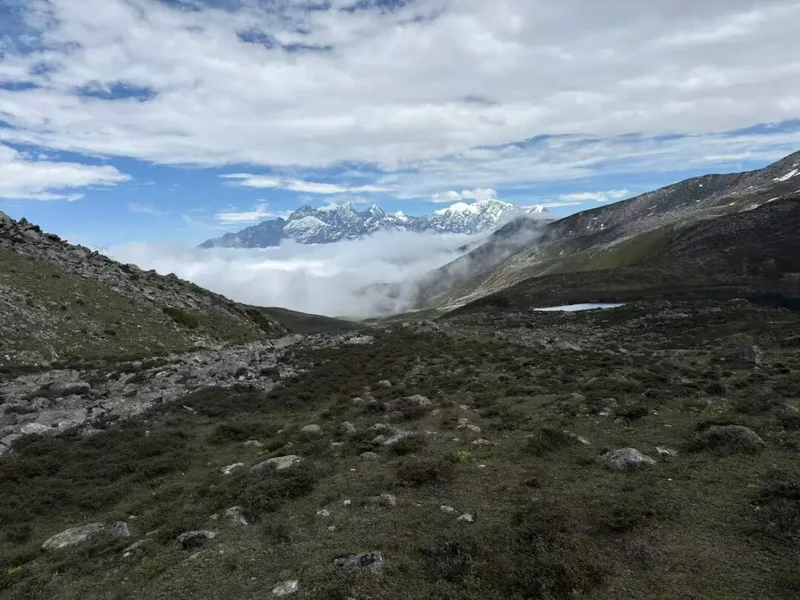
Acute Mountain Sickness (AMS) is your body's natural response to arriving quickly at high altitude. Above 3,000m, reduced oxygen and air pressure trigger a cascade of physiological adjustments — and the discomfort you feel during that process is AMS.
The key thing to understand: everyone experiences some degree of altitude sickness. It isn't a sign of weakness or poor fitness. What varies is severity. Your goal isn't to avoid AMS entirely — it's to manage it well enough to race safely.
Symptom levels at a glance
Mild: Headache, nausea, light-headedness, shortness of breath, poor sleep, reduced appetite.
Moderate: Blue-tinged lips (cyanosis), drowsiness or agitation, worsening shortness of breath, intensifying headache.
Severe: Prolonged severe headache, confusion, hallucinations, loss of consciousness, persistent dry cough producing pink frothy sputum.
Critical warning: High Altitude Pulmonary Edema (HAPE) and High Altitude Cerebral Edema (HACE) are life-threatening emergencies. If you develop moderate or worse symptoms, stop racing immediately, descend to lower altitude, and seek medical attention.
Mild symptoms can be managed with rest, warm fluids, supplemental oxygen, or appropriate medication under medical supervision.
Training and Acclimatisation
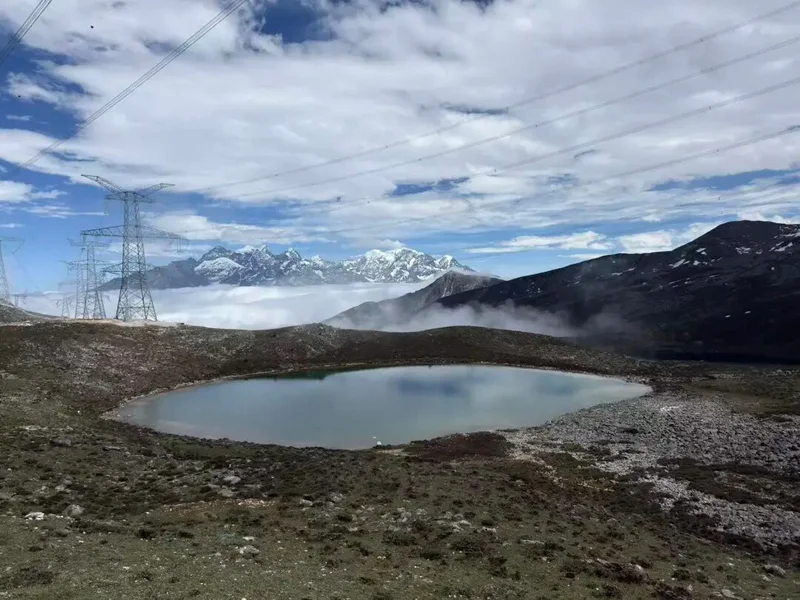
Professor Bartsch — a leading researcher in altitude sports medicine — has found that athletic performance begins to change at just 650m above sea level. For anyone training or competing above 2,600m, he recommends 3–4 days of rest before reaching race altitude.
A few practical strategies:
- Altitude simulation at home. If you can't get to high altitude before the race, hypoxic training can help your body begin adapting — provided your overall health allows it.
- Arrive early. The ideal window is two to three weeks out. Use the principle of "climb high, sleep low" — train at altitude during the day, sleep lower at night. This is the single most effective way to acclimatise.
- Minimum arrival window. If time is tight, aim to reach the race start location at least two to three days before the race. Use that window to understand how your body actually responds at this altitude — and set your race strategy accordingly.
- Bring every mandatory gear item. Mountain weather at altitude can flip instantly from clear skies to hail and near-zero visibility. There are no excuses at 4,000m. Your gear list is there for a reason.
- Lower your performance expectations. At altitude, your aerobic capacity drops. Running slower isn't failure — it's how you get to enjoy the course at all.
Pre-Race Survival Guide
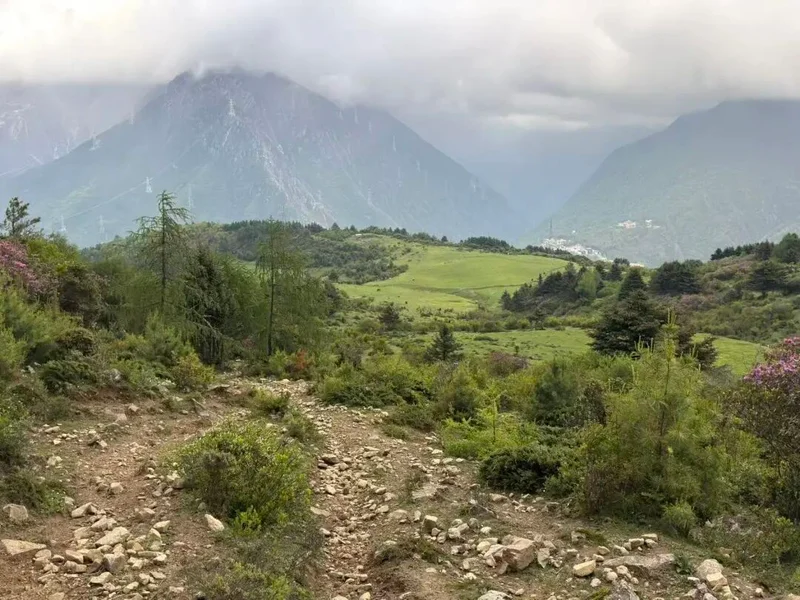
1. Drink more than you think you need
The air at altitude is dry, and your body loses fluid faster than at sea level. Target 3–4 litres of water per day — at least 1.5 times your normal intake. Carry a thermos and take small, frequent sips of warm water throughout the day. Research suggests that adequate hydration alone can reduce AMS incidence by more than 40%.
2. Carb-heavy, but don't overeat
Increase your carbohydrate intake — rice, noodles, energy gels. Carbs generate more carbon dioxide during metabolism, which stimulates breathing and improves blood oxygenation. That said, stop at about 70% full. Overeating puts additional strain on your digestive system, which is already working harder at altitude.
3. Stay warm — especially your head
Temperature swings at altitude are extreme. Wind makes you cold faster than you'd expect, and a cold head is often the first step toward a headache. Wear a hat throughout the day. For the first two days after arriving at race altitude, avoid washing your hair or taking a cold shower — a chill at altitude dramatically increases your risk of respiratory illness, which in turn multiplies your AMS risk.
4. Resist the urge to move on arrival day
You've arrived. The mountains are right there. Resist. On your first day, limit yourself to a gentle walk and some photos. Save runs and long hikes for after the race. Any training session over 15km before the start is more likely to hurt you than help you.
5. Sleep smarter
- Go to bed an hour later than normal. Overnight, blood oxygen levels drop further at altitude. Going to bed too early often means waking up in the middle of the night unable to get back to sleep. Shifting bedtime back slightly can help you sleep through.
- Skip the alcohol and coffee. Alcohol suppresses your breathing reflex. Caffeine is a diuretic that worsens dehydration. Both are the wrong choice the nights before racing at altitude.
- If insomnia is severe, consult a medical professional about short-term sleep aids.
If AMS Hits Mid-Race
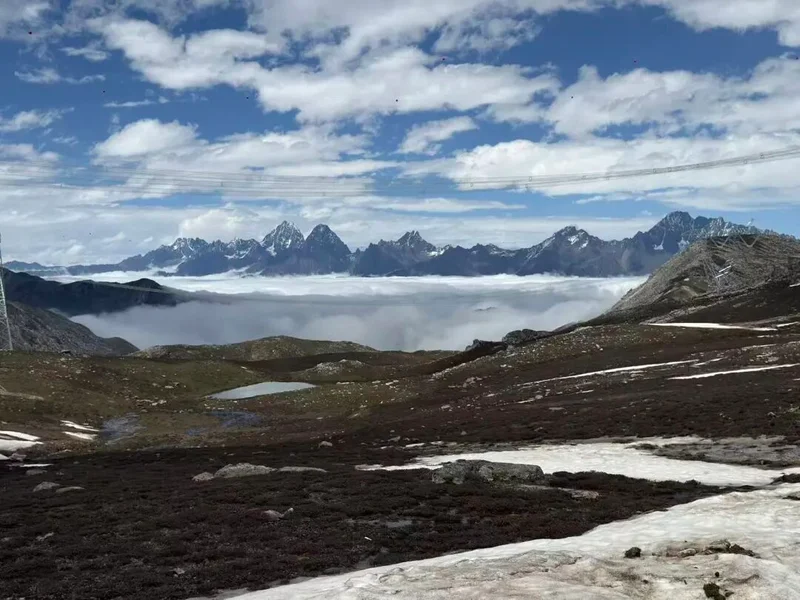
- Slow down immediately. If your headache worsens or nausea builds, drop to a power hike. Do not push through it.
- Eat and drink on schedule. An energy gel or salt tablet every 45 minutes, sports drink at every aid station. Don't wait until you feel depleted.
- Use the medical checkpoints. Every checkpoint at a well-run high altitude race has medical staff, oxygen cylinders, pulse oximeters, and emergency supplies. Tell them how you feel. They are there specifically for this.
- Don't tough it out. Most high altitude courses have descent routes at regular intervals. If the medical team advises you to drop out, listen. Choosing to descend is a rational, courageous decision — not a failure.